
A toilet that keeps running can be annoying, but it’s also a serious waste of water. In many homes, a running toilet can add hundreds (or even thousands) of gallons to your monthly water bill.
The good news is that most running toilet problems are easy to fix without calling a plumber. In this guide, you’ll learn the most common causes of a running toilet and step-by-step solutions you can try in under 30 minutes.
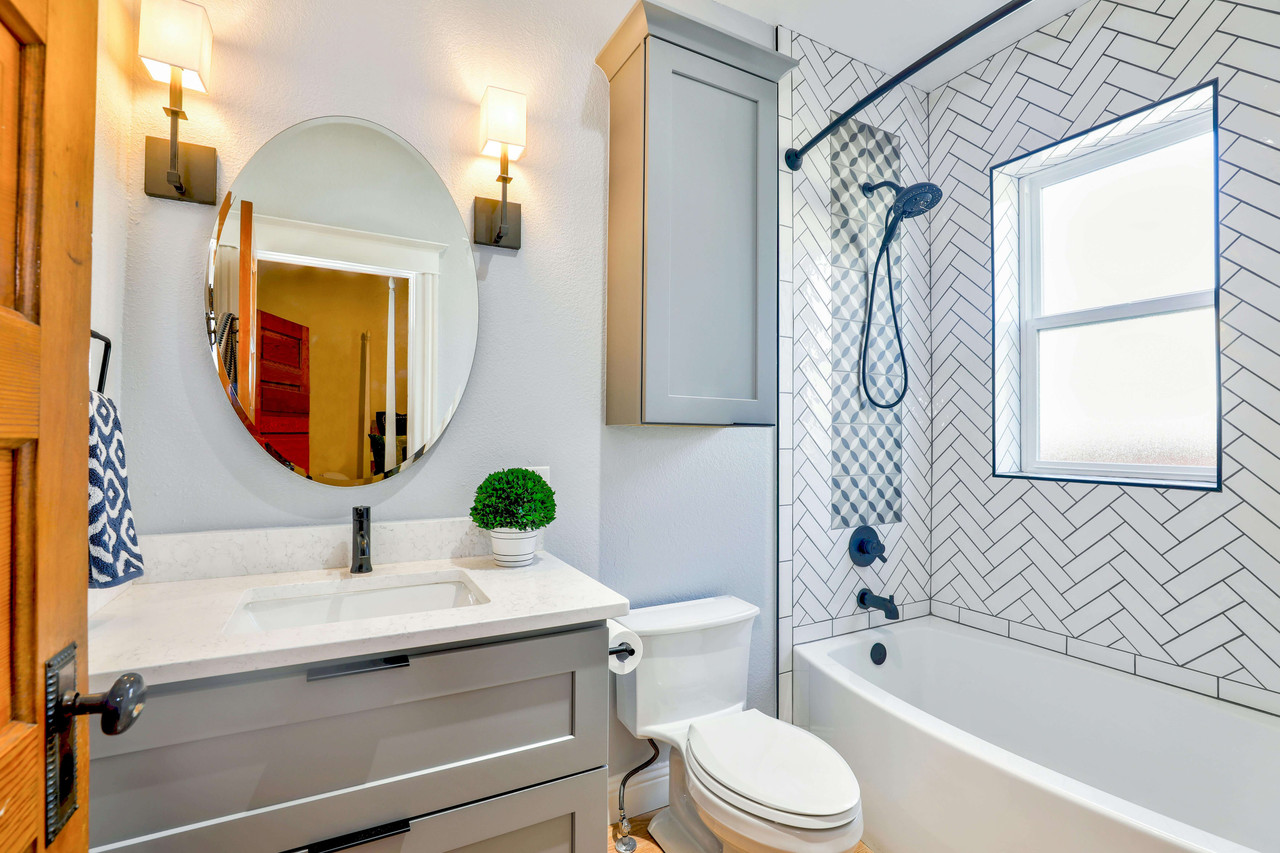
A running toilet is one of the most common plumbing issues—and one of the easiest to fix.
Why Does a Toilet Keep Running?
A toilet keeps running when water continues flowing from the tank into the bowl after flushing. This usually happens because one of the tank parts is not sealing properly.
The most common causes are:
- A worn-out or misaligned flapper
- A faulty fill valve
- An incorrect water level
- A loose or tangled chain
- A cracked overflow tube (less common)
Quick Check: Is It a Constant Run or an Intermittent Run?
Before fixing anything, listen carefully:
- Constant running: water is continuously flowing into the bowl.
- Intermittent running: the toilet “refills” by itself every few minutes.
Both problems are usually caused by a flapper that doesn’t seal properly.
Step-by-Step: Easy Fixes for a Running Toilet
Step 1: Remove the Toilet Tank Lid
Carefully lift the tank lid and place it on a towel. Toilet lids are heavy and can crack easily.
Flush once and watch what happens inside the tank. This will help you identify the exact issue.
Step 2: Check the Flapper (Most Common Fix)
The flapper is the rubber piece at the bottom of the tank that opens when you flush and seals when the tank refills. If it doesn’t seal properly, water will leak into the bowl and the toilet will keep running.
What to look for:
- Flapper looks warped, cracked, or slimy
- Flapper doesn’t sit flat
- Water slowly leaks into the bowl

Most running toilets are caused by a flapper or fill valve issue inside the tank.
DIY fix:
- Clean the flapper seat area (mineral buildup can prevent sealing)
- Make sure the flapper is centered
- If the flapper is worn out, replace it (usually $5–$15)
Step 3: Adjust the Chain
If the chain is too tight, the flapper may stay slightly open. If it’s too loose, it may get stuck under the flapper.
Correct chain adjustment:
- Leave about 1/2 inch of slack
- Make sure the chain isn’t rubbing on the tank wall
Step 4: Adjust the Water Level
If the tank water level is too high, water will constantly flow into the overflow tube. This can cause nonstop running.
DIY fix:
- Look for the overflow tube in the center
- The water level should be about 1 inch below the top of the tube
- Adjust the float or screw on the fill valve to lower the level
Step 5: Check the Fill Valve
If your flapper looks fine but the toilet still runs, the fill valve may be faulty. This valve controls water flow into the tank.
Signs of a bad fill valve:
- Toilet takes too long to refill
- Water keeps running even after the tank is full
- You hear hissing or constant refilling noise
DIY fix: Replacing a fill valve is still DIY-friendly and usually costs $10–$25.
How to Test If Your Flapper Is Leaking
This is a quick test you can do in 2 minutes:
- Add a few drops of food coloring into the tank water.
- Wait 10–15 minutes without flushing.
- If the bowl water changes color, your flapper is leaking.
When to Call a Plumber
Call a licensed plumber if:
- You replaced the flapper and fill valve but the toilet still runs
- You notice water leaking around the base of the toilet
- The tank has cracks or damage
- You’re not comfortable working with plumbing parts
A plumber can diagnose hidden problems if DIY fixes don’t stop the running toilet.
Typical Cost to Fix a Running Toilet (USA)
Costs depend on your location and the exact issue, but common ranges are:
- DIY flapper replacement: $5–$15
- DIY fill valve replacement: $10–$25
- Plumber visit + repair: $100–$250+
- Toilet replacement (if needed): $250–$700+
Tip: If your toilet is older and needs multiple repairs, replacement may be cheaper long-term.
Safety Tips
- Turn off the water valve if you’re removing parts.
- Be careful with the tank lid—it’s heavy and fragile.
- If you see cracks in the tank, stop using it and call a professional.
FAQ
1) Why does my toilet keep running after I flush?
This is usually caused by a flapper that doesn’t seal properly or a fill valve that doesn’t shut off fully.
2) Is a running toilet expensive?
Yes. A running toilet can waste a lot of water and increase your water bill significantly over time.
3) What is the most common reason a toilet runs?
The flapper is the most common cause. It can wear out, warp, or fail to seal correctly.
4) Can I fix a running toilet myself?
Yes. Replacing the flapper or adjusting the chain and water level are easy DIY fixes for most homeowners.
5) How long does it take to fix a running toilet?
Most fixes take 10–30 minutes if you have the right parts.
Conclusion
A toilet that keeps running is usually caused by a simple part like the flapper, chain, or fill valve. With a few basic checks and inexpensive replacements, most homeowners can fix this problem quickly and save money on water bills.
If your toilet still runs after trying these fixes, a licensed plumber can diagnose deeper issues and prevent bigger leaks.
Post a Comment