
Low water pressure can be frustrating. It can make showers weak, slow down dishwashing, and turn simple daily tasks into a hassle. The good news is that low water pressure is often caused by a few common problems—some of which you can fix in less than an hour.
In this step-by-step guide, you’ll learn the most common causes of low water pressure, how to diagnose the issue, and the best solutions you can try at home. We’ll also cover when it’s time to call a licensed plumber and what repairs typically cost in the USA.

Low water pressure can affect sinks, showers, and appliances throughout the home.
What Is Considered Low Water Pressure?
Most homes in the United States are designed to operate with water pressure around 40–60 PSI (pounds per square inch). If your pressure drops below that, you may notice:
- Weak flow from faucets and showerheads
- Longer time to fill a bathtub
- Appliances (dishwasher, washing machine) taking longer to run
- Sudden changes in water pressure during the day
Low water pressure may affect one fixture (like a single sink) or the whole house. The difference matters because it helps you find the cause faster.
Quick Test: Is the Problem in One Faucet or the Whole House?
Before doing anything else, do this quick check:
- Turn on the kitchen faucet and observe the flow.
- Turn on a bathroom sink faucet.
- Test a shower.
If only one fixture has low pressure: the issue is usually local (a clogged aerator, cartridge, or showerhead).
If the whole house has low pressure: the cause may be your main water valve, pressure regulator, or plumbing system.
Common Causes of Low Water Pressure (And How to Fix Them)
Cause #1: Partially Closed Main Water Valve
Many homeowners don’t realize the main shutoff valve may not be fully open. This can happen after plumbing repairs, meter work, or even accidentally.
What to do:
- Locate your main shutoff valve (usually near the water meter, basement, crawl space, or garage).
- Make sure it is turned fully open.
Tip: If you have a lever handle, it should be parallel to the pipe when fully open.
Cause #2: Clogged Faucet Aerator (Very Common)
If low pressure is happening in one sink faucet, the aerator is often the culprit. Aerators trap minerals, sand, and debris over time—especially in areas with hard water.
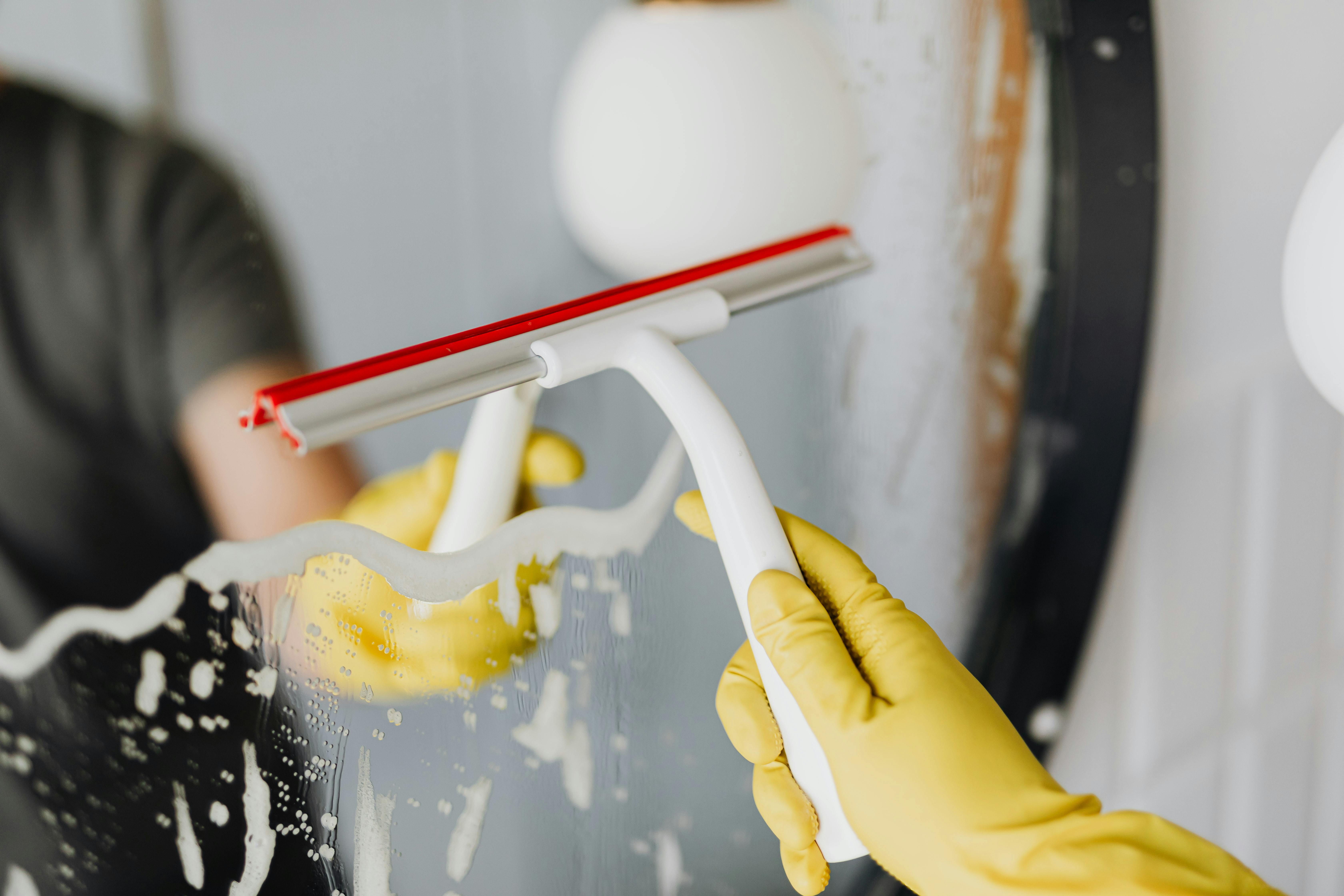
A clogged faucet aerator can reduce pressure in a single fixture.
DIY fix (5–10 minutes):
- Unscrew the aerator from the faucet tip (use a cloth + pliers if needed).
- Rinse it under water and remove visible debris.
- Soak it in white vinegar for 30–60 minutes to dissolve mineral buildup.
- Reinstall and test the faucet.
If pressure improves, you found the problem.
Cause #3: Clogged Showerhead
If your shower has weak water pressure but sinks are fine, the showerhead may be clogged with mineral deposits.
DIY fix:
- Remove the showerhead.
- Soak it in vinegar for 1–2 hours.
- Scrub the nozzles with an old toothbrush.
- Reinstall and test.
Cause #4: Hidden Leak in Your Plumbing
A leak can reduce pressure because water escapes before it reaches your fixtures. Some leaks are obvious (water stains), but others are hidden behind walls or underground.
Signs of a leak:
- Higher-than-normal water bill
- Wet spots on walls, ceilings, or floors
- Moldy smell
- Sound of running water when everything is off
Quick test: Turn off all water in the home and check your water meter. If it’s still moving, you likely have a leak.
Cause #5: A Failing Pressure Regulator (PRV)
Many homes have a pressure regulator (also called a PRV) that controls water pressure coming from the city supply. When it fails, pressure can become too low (or sometimes too high).
Common symptoms:
- Low pressure in the entire house
- Pressure changing randomly throughout the day
- Sudden drop after years of normal pressure
PRV replacement is usually not a DIY job unless you have plumbing experience.
Cause #6: Clogged or Corroded Pipes (Older Homes)
In older houses with galvanized steel pipes, rust and corrosion can narrow the inside of the pipe over time. This restricts water flow and reduces pressure.
Signs:
- Low pressure that slowly worsens over months or years
- Brownish or rusty water
- Frequent clogs or plumbing issues
If this is the issue, a plumber may recommend repiping or replacing problem sections.
Cause #7: City Water Supply or Neighborhood Issue
Sometimes the problem isn’t inside your house at all. City maintenance, water main breaks, or high demand in your area can temporarily reduce water pressure.
What to do:
- Ask a neighbor if they have the same issue.
- Check your city’s website for maintenance updates.
- Wait a few hours and test again.
When to Call a Plumber
Call a licensed plumber if:
- The whole house has low pressure and the main valve is fully open
- You suspect a hidden leak (high water bill, wet walls, meter moving)
- Your pressure regulator may be failing
- You have old galvanized pipes and pressure keeps getting worse
- DIY fixes don’t improve the problem
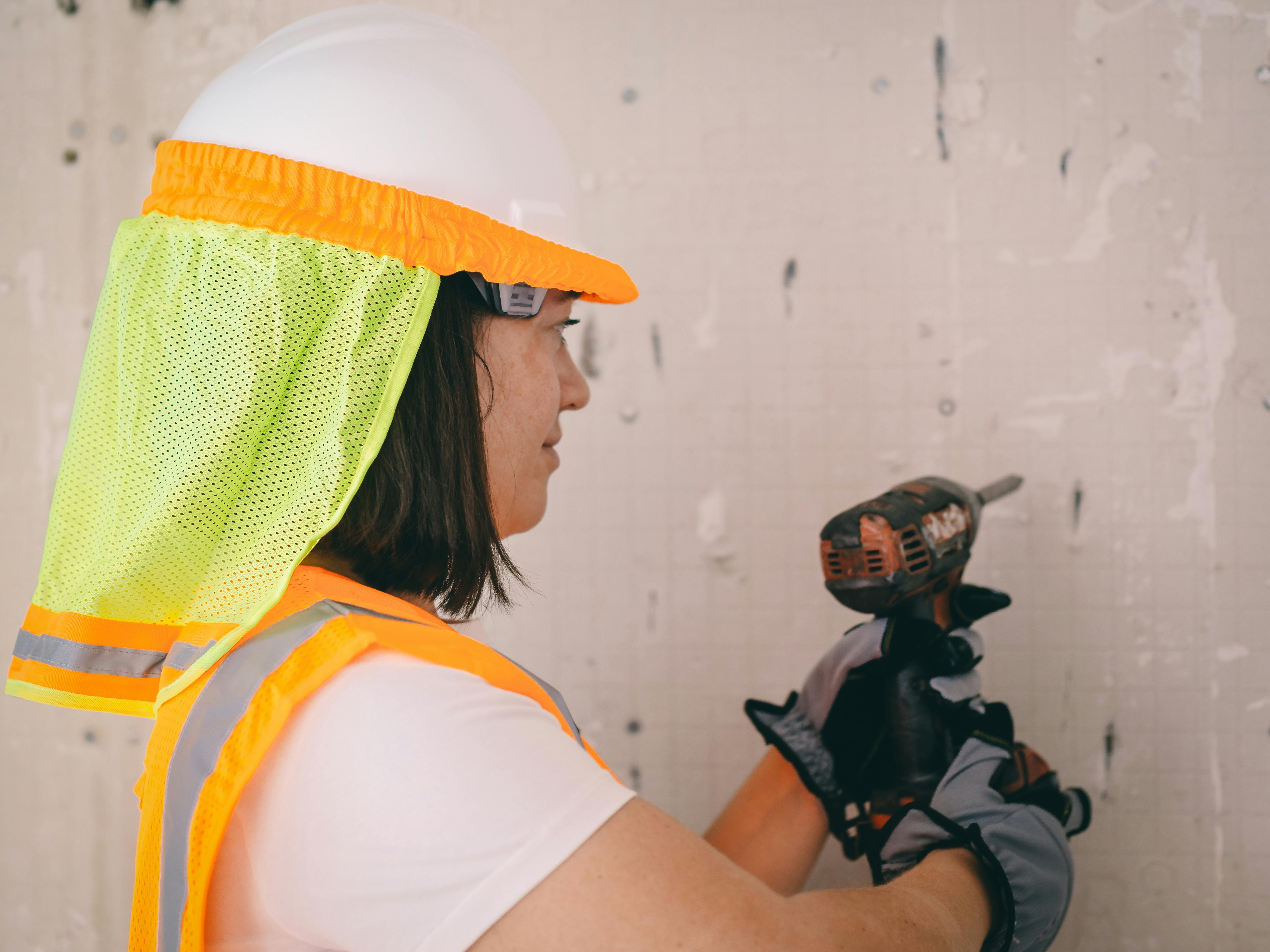
If low pressure affects the whole house, a plumber can test your system and regulator.
Typical Cost to Fix Low Water Pressure (USA)
Costs vary depending on your location and the cause, but common ranges include:
- Cleaning aerator or showerhead: $0–$10 (DIY)
- Plumber diagnostic/service call: $80–$200
- Leak repair (minor): $150–$500+
- Pressure regulator (PRV) replacement: $250–$700+
- Pipe repair/replacement (larger): $500–$3,000+
Tip: Always request a written estimate and confirm the plumber is licensed and insured.
Safety Tips
- Don’t overtighten aerators or showerheads—this can damage threads.
- If you suspect a leak, shut off the water to prevent damage.
- Be careful when working near hot water lines.
FAQ
1) Why is my water pressure low all of a sudden?
Sudden low pressure is often caused by a partially closed main valve, city maintenance, a failing pressure regulator, or a hidden leak.
2) Why is low water pressure only in one faucet?
This is usually caused by a clogged aerator or a faucet cartridge issue.
3) Can a clogged showerhead reduce water pressure?
Yes. Mineral buildup can block the nozzles and reduce flow.
4) How do I know if I have a water leak?
Check your water meter when all water is off. If it still moves, you likely have a leak.
5) Is low water pressure dangerous?
Low pressure itself is not dangerous, but it can be a sign of leaks, failing pipes, or plumbing issues that can lead to water damage.
Conclusion
Low water pressure is a common problem, but it often has a simple fix—especially if it’s caused by a clogged aerator, showerhead, or partially closed valve. Start with the easy checks first, then move to deeper causes like leaks, regulators, or pipe corrosion.
If low pressure affects the whole home or gets worse over time, calling a licensed plumber can prevent bigger damage and help restore proper water flow.
Post a Comment