
An air conditioner that won’t turn on can feel like an emergency—especially during a hot summer day. But before you assume the worst, it’s important to know that many “AC not turning on” problems are caused by simple issues like thermostat settings, a tripped breaker, or a clogged air filter.
In this troubleshooting checklist, you’ll learn exactly what to check first, what you can safely fix yourself, and when it’s time to call a licensed HVAC technician.
Many AC startup problems are caused by simple power or thermostat issues.
Quick Warning: Safety First
Before you check anything inside your HVAC system:
- Never open electrical panels unless you know what you’re doing.
- If you smell burning, see sparks, or hear loud buzzing, turn the system off immediately.
- If you’re unsure, it’s safer to call a professional.
Step-by-Step: AC Not Turning On Troubleshooting Checklist
Follow these steps in order. Many homeowners find the solution within the first 5–10 minutes.
Step 1: Check If It’s a Power Problem
Sometimes your AC is not turning on simply because it isn’t getting power. Your system has an indoor unit and an outdoor unit, and both need power to work correctly.
What to check:
- Is your thermostat screen blank?
- Did the power go out recently?
- Are other appliances in the house working?
If everything else works, continue to the next step.
Step 2: Check the Thermostat Settings
This may sound too simple, but incorrect thermostat settings are one of the most common reasons an AC won’t start.
Make sure:
- The thermostat is set to COOL mode (not HEAT)
- The temperature is set at least 3–5°F lower than the room temperature
- The fan setting is set to AUTO (not ON)
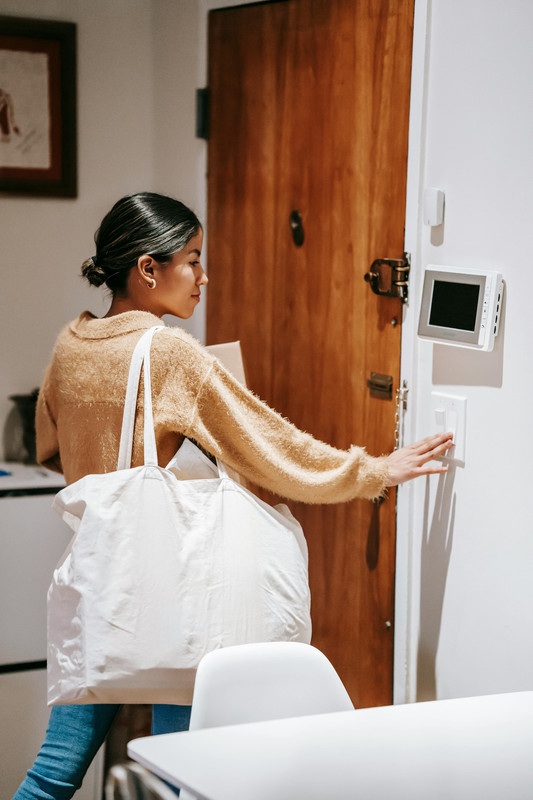
Always verify your thermostat settings before checking deeper HVAC issues.
Quick tip: Replace thermostat batteries if your thermostat uses them.
Step 3: Check the Circuit Breaker (Indoor and Outdoor)
An AC system may stop working if a breaker trips. Sometimes the indoor unit has power while the outdoor unit does not.
What to do:
- Go to your electrical panel and look for a breaker labeled “AC”, “HVAC”, or “Condenser”.
- If the breaker is in the middle position, switch it fully OFF, then back ON.
Important: If it trips again soon after, stop resetting it and call an HVAC technician. Repeated tripping can indicate an electrical problem.
Step 4: Check the Outdoor Disconnect Switch
Many outdoor units have a disconnect box mounted near the condenser. If it’s turned off, your AC won’t run.
What to check:
- Make sure it is fully inserted or switched ON (depending on the style).
If you’re unsure, don’t force anything—call a professional.
Step 5: Replace the Air Filter
A very dirty air filter can cause your system to shut down or freeze, which can prevent the AC from turning on properly.
Signs your filter may be clogged:
- Weak airflow from vents
- Dust buildup around registers
- AC previously running longer than normal
DIY fix: Replace the filter and try running the system again after 10–15 minutes.
Step 6: Check the Drain Line (If You Have a Safety Switch)
Many HVAC systems have a safety switch that shuts off the AC if the condensate drain line is clogged to prevent water damage.
Signs of a clogged drain:
- Water around the indoor unit
- AC suddenly stops working
- You notice a musty smell
DIY tip: If you can safely access the drain line, you may be able to clear it with a wet/dry vacuum. If not, call an HVAC technician.
Step 7: Listen for Clicking or Buzzing Sounds
If the thermostat clicks but nothing starts, it could be a failed capacitor, contactor, or electrical component in the outdoor unit.
Common symptoms:
- Clicking sound but no fan movement
- Buzzing sound from the outdoor condenser
- Outdoor fan tries to start but stops
These issues usually require a professional because capacitors can be dangerous.
Common Reasons an AC Won’t Turn On
If you want a quick summary, the most common causes are:
- Incorrect thermostat settings or dead batteries
- Tripped circuit breaker
- Outdoor disconnect switch turned off
- Dirty air filter causing shutdown or freeze
- Clogged drain line and safety switch activation
- Failed capacitor or contactor
When to Call a Professional HVAC Technician
Call a licensed HVAC technician if:
- The breaker keeps tripping
- The outdoor unit makes buzzing sounds
- You suspect a capacitor issue
- The AC turns on and off repeatedly (short cycling)
- You see ice buildup or refrigerant line freezing
- The system is old and stops working frequently

Some AC issues require professional tools and electrical safety training.
Typical Cost to Fix an AC That Won’t Turn On (USA)
Pricing depends on your state and the cause of the problem, but here are common ranges:
- Air filter replacement: $10–$30 (DIY)
- Thermostat replacement: $100–$300
- Capacitor replacement: $150–$400
- Contactor replacement: $150–$450
- Drain line cleaning: $75–$250
- Service call + diagnosis: $80–$200
Tip: Ask for a written estimate and confirm the contractor is licensed and insured.
Safety Tips
- Always turn off power before inspecting the outdoor unit.
- Never touch electrical components inside the condenser.
- If you see smoke or smell burning, turn the system off and call a professional immediately.
FAQ
1) Why is my AC not turning on but the thermostat works?
This may be caused by a tripped breaker, an outdoor disconnect issue, or a failed capacitor. Start with the breaker and filter checks.
2) Can a dirty air filter stop my AC from turning on?
Yes. A severely clogged filter can restrict airflow and cause freeze-ups or system shutdowns in some cases.
3) Should I reset the AC breaker?
You can reset it once. If it trips again, stop and call an HVAC technician because repeated tripping can indicate a serious electrical fault.
4) How do I know if my AC capacitor is bad?
If you hear buzzing or clicking and the outdoor fan doesn’t spin, the capacitor may be faulty. This is a job for a professional.
5) Is it safe to troubleshoot my AC by myself?
Yes for basic checks like thermostat settings, air filter replacement, and breaker inspection. Avoid opening electrical panels or touching internal components.
Conclusion
If your AC is not turning on, don’t assume you need an expensive repair. In many cases, the fix is simple—checking the thermostat, replacing the air filter, or resetting a breaker.
However, if the breaker keeps tripping, the condenser buzzes, or the problem returns repeatedly, calling a licensed HVAC technician can prevent bigger damage and keep your system safe.
Post a Comment